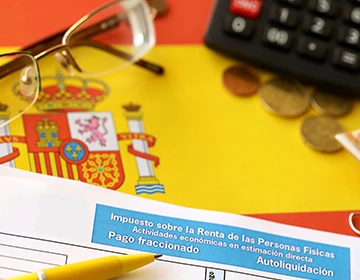
Social Life in Spain for Expats: Culture & Community
Table of Contents
Spain has long been a top choice for expats, thanks to its vibrant culture, welcoming lifestyle, and stunning landscapes. When people imagine life in Spain, they often picture sunny days, a laid-back rhythm, Mediterranean coastlines, and beautifully preserved historic cities. But beyond the scenic appeal lies a deeper, everyday culture built on connection, community, and enjoying living in the moment.
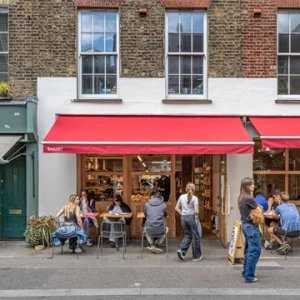
Whether it’s sharing late-night meals with friends or greeting neighbors in the plaza, social life in Spain is more than a pastime, it’s woven into the fabric of daily life. Warm interactions, close personal bonds, and an unhurried pace are defining features of Spanish culture and lifestyle. These habits influence everything from how people spend their free time to the way they communicate and form relationships.
For expats settling or living in Spain, understanding the Spanish way of life, from daily routines and social customs to deeply rooted traditions like sobremesa, can make the transition smoother and far more rewarding. Embracing these cultural habits is often the key to a fulfilling life in Spain as an expat.
Living in Spain as an Expat: Culture, Lifestyle, and Daily Living
Daily life in Spain is noticeably different from what many expats might expect. It features a relaxed pace, late meal times, and a strong emphasis on social ties and personal enjoyment.
The day usually starts with a light breakfast followed by a workday that’s often split into two parts. Traditionally, the midday break included the well-known siesta, giving people time to enjoy a long lunch and rest. While the siesta is less common in larger cities today, this break remains culturally important as a time for relaxation or catching up with family.
Social interaction plays a major role in everyday life. Meals, in particular, are seen as a time to connect. Lunch is the main meal of the day and often a sit-down affair. Dinner tends to be much later than in many other countries, often beginning after 9 PM, especially in urban areas. This naturally pushes nightlife later into the evening as well, with bars and cafés remaining lively well past midnight.
Daily life also revolves around the local community. While supermarkets are available, many locals prefer buying fresh produce, bread, and other specialties from neighborhood vendors. Markets, bakeries, and cafés double as social spaces where people catch up with friends and neighbors. Unlike in many countries, shopping here is more than a transaction, it’s part of daily connection.
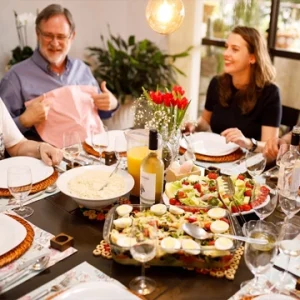
One cherished tradition is the evening stroll or paseo. Around dusk, people head to parks and plazas to walk, chat, and enjoy the fresh air. It’s a simple but deeply rooted custom that reinforces the importance of leisure and face-to-face connection.
The Spanish lifestyle places a high value on well-being. A healthy work-life balance is a cultural cornerstone. While work is respected, personal time, friendships, and family are central to everyday life.
For many expats, this lifestyle is a welcome change. The slower pace, affordable cost of life in Spain, and a strong sense of community make adjusting both easier and often deeply fulfilling.
Understanding The Spanish Way of Life
Social Habits in Spain That Define Daily Interactions
Schedules and meal times set the pace of daily life in Spain, but the culture is truly defined by how people interact. From warm greetings to animated conversations, Spaniards bring energy and closeness into every social exchange.
Conversations are usually lively and expressive. Interrupting someone mid-sentence isn’t necessarily considered rude as it often signals engagement and enthusiasm. Expressive gestures, fast-paced dialogues, and a more relaxed approach to personal space are all part of daily interactions.

These social habits in Spain may feel unfamiliar to those coming from more reserved cultures, yet they reflect the Spanish value of genuine human connection. Strangers may strike up small talk in a café or share opinions openly in group discussions, not out of impoliteness, but as a reflection of openness and social warmth.
What is Sobremesa in Spain and Why It Matters
One of the most cherished cultural habits in Spain, sobremesa refers to the tradition of lingering at the table after meals. It’s not about eating, it’s about relaxing, talking, and enjoying the company of family and friends in an unhurried, meaningful way.
This quiet, extended moment after lunch or dinner is when people share stories, reflect on the day, or debate everything from politics to football. The unhurried atmosphere encourages openness and emotional connection, helping to strengthen bonds among those at the table.
Sobremesa is one of the clearest examples of how the Spanish way of life prioritizes community and face-to-face interaction. Rather than rushing off, Spaniards make time to connect, and this habit plays a key role in maintaining strong social ties.
For expats, sobremesa offers a refreshing contrast to a fast-paced lifestyle. It’s an opportunity to slow down, engage in real conversation, and experience the deeper side of Spanish culture and lifestyle.
Social Life in Spain: From Daylight to Nightlife
Evenings in Spain are a natural continuation of the day’s social rhythm. As work winds down and the streets cool off, people gather in plazas, cafés, and tapas bars to enjoy food, conversation, and shared time. Socializing remains central, just in a more relaxed, communal setting.
The Social Side of Late Dinners in Spain
Meal times in Spain are famously late, but their real importance lies in the role they play in bringing people together. Whether it’s a slow, shared dinner or a relaxed tapas outing, food creates a space for conversation and community.
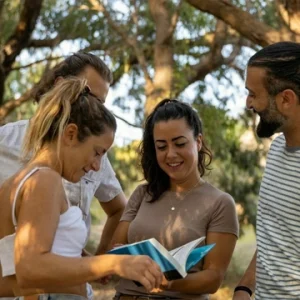
Regional customs also shape the rhythm. In Andalusia, it’s common to enjoy meals outdoors late into the evening, while in the north, pintxo bars become informal hubs for catching up. Regardless of location, the focus stays the same: meaningful interaction over good food in an unhurried setting.
Socializing After Dark: Nightlife in Spain
Spanish nightlife is an extension of daily life; lively, welcoming, and built around community. Cities like Madrid, Barcelona, Seville, and Valencia all offer their own take on the night, with venues that stay open long after midnight.
Tapas bars, late-night cafés, and open-air terraces are central to vibrant nightlife in Spain. Many people move from place to place, enjoying small bites, drinks, and conversation. Even weekday nights can feel vibrant, with locals and visitors mingling well into the night.
For expats, adapting to this schedule may take a bit of time. Once adjusted, the evening atmosphere becomes one of the most cherished parts of living in Spain.
Bridging the Gap: Adapting Socially in Spain for Expats
Moving to Spain is a rewarding experience, but adapting to the social landscape can take time, especially in communities where close-knit circles and regional customs shape daily life. Language barriers and cultural nuances may initially feel unfamiliar, yet they often become doorways to deeper understanding. Participating in local events, learning a few key phrases, and embracing traditions like the paseo or sobremesa can go a long way in building lasting connections.
As Tekce Visa, we guide you through every legal step so you can focus on starting your new life in Spain with ease and confidence.